Categories
Garage Door Repair

Why Your Garage Door Hesitates or Jerks When Opening (Fast Fall Fixes)

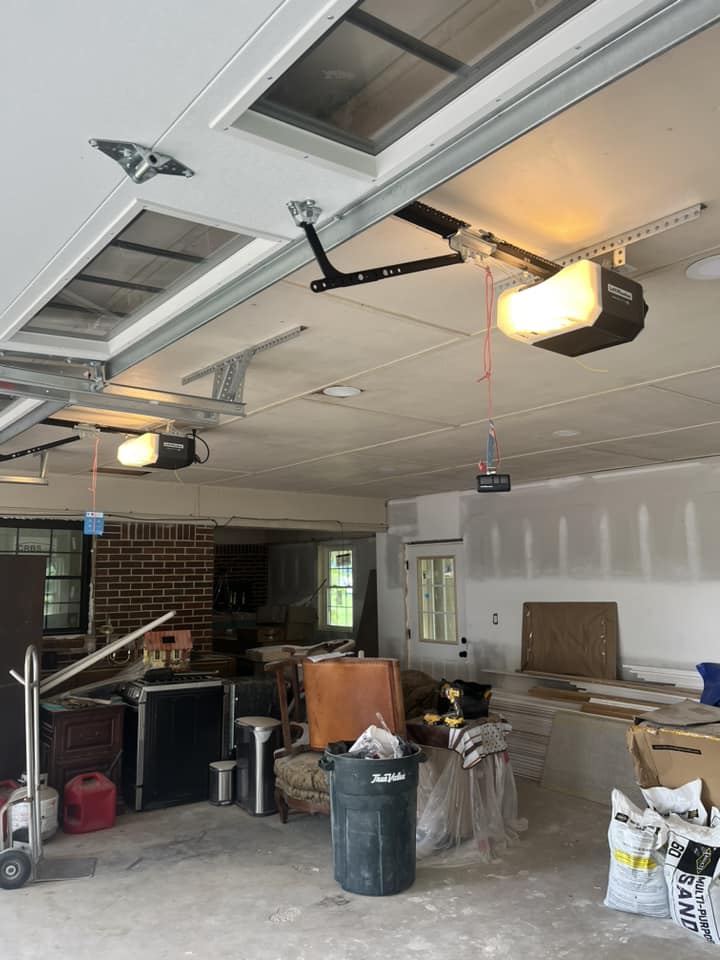
Why does my garage door hesitate to open? Because the opener and the door must work together, a pause can mean the door is resisting movement, the opener is reacting, or a control is failing. The first decision is whether you can safely observe it at all. If the door is crooked or a cable is loose, leave it alone.

State Line Garage Doors is a service-area business serving Lawrenceburg, Tennessee, and surrounding listed communities, including Loretto and Pulaski. Its owner, Justin, describes the work as problem-solving: explain what needs to change and why, rather than simply replacing a motor. That approach matters when the complaint is a jerk, not a clearly broken part.

Before the Checklist: Know the Hard Stops

Do not use the garage door until a qualified technician has inspected it if it is crooked, unusually heavy, off its track, or shows a damaged spring, cable, drum, or bottom bracket. Do not pull the emergency release, push the door, or retry the opener to see whether it gets through the rough spot. Keep people, pets, and vehicles away from a raised or unstable door. The Door & Access Systems Manufacturers Association (DASMA) identifies spring-connected cables and bottom brackets as hazardous tensioned hardware and says a struggling door can be out of balance. 

If a child or pet is near the opening, keep them away from the controls. Watch a normally operating door until it closes; never walk underneath a moving one. If the automatic reverse or photo eyes are not functioning correctly, discontinue automatic operation until a technician checks the system. DASMA’s opener guidance explains the purpose of these protections and warns against treating a heavy door with a stronger motor. [2]

A Short History Is More Useful Than a Guess

When you call for help, give the door’s last three observable facts: where it hesitated, what sound preceded it, and whether both sides stayed level. “It moves six inches, pauses, then climbs” tells a technician more than “the opener is bad.” You can also say whether the wall button and remote behaved the same way on the last attempt, without running repeated tests.

If the problem began after a recent repair or a new opener, mention that, too. That timing does not prove the new work caused it; it gives the technician a starting point to verify door movement, opener setup, and the fitted parts. Ask the technician to explain the proposed change and why it addresses the fault before agreeing to a repair.

The Last Safe ObservationWhat the Technician Should SeparateWhat You Should Do
One side climbed faster or a cable looked slackBalance, spring and cable conditionStop using the door
The door stayed level but bumped at the same heightTrack, roller, hinge or section interferenceRecord the height; arrange inspection
The motor ran but the door barely movedOpener drive versus a binding or heavy doorStop retries; ask for both systems to be checked
The wall control worked but the remote did notControl, battery or signal issueConsult the model manual only if the door is otherwise sound
The movement changed near the floorThreshold, seal, debris, or travel behaviorObserve the stopped door from clear ground; never pry it

None of these rows diagnoses a part. A motor that hums against a heavy door may be healthy. A smooth-looking door can still have an opener fault. The technician’s job is to distinguish those possibilities, not to sell the most expensive one first.

The First Question: Is the Door Traveling Straight?

Stand out of its path and recall whether the bottom edge looked level during the last movement. An uneven rise, a gap that opens wider on one side, or a cable hanging differently from its mate is a stop sign. A trained technician can check the balance and tensioned assembly; you should not attempt to straighten the door or manually test its weight. [1]

If it stayed level, remember whether the rough point always occurred at the same place. A fixed location suggests checking the path of the rollers and sections, but cannot establish which piece failed from a distance. Look only at visible track and hardware with the door stationary; do not put fingers between sections or near rollers. DASMA specifically warns about pinch injuries at section joints. 

A loud bang followed by a door that now rises only a little deserves a different report than a light rattle. Do not label it a spring failure sight unseen, but treat a suspected broken spring as a hard stop. State Line offers garage door repair and can assess the actual door system instead of asking you to choose a part by phone.

The Second Question: Did the Opener React to Resistance?

An opener is meant to operate a properly balanced door. If the door drags or catches, the motor may pause, reverse, or make a strained sound. Replacing the opener without addressing the door’s resistance is not a durable fix. DASMA says a heavy door needs professional balance diagnosis, not a more powerful opener. [2]

Conversely, if a technician verifies that the door moves as designed, the opener and its controls become the focus. The drive, travel setup, safety reversing behavior, and power connection can be evaluated for the specific model. Don’t turn a remote battery observation into a blanket do-it-yourself repair guide. The manufacturer’s manual governs simple control steps, and the safety devices must remain in service. [2]

Force-limit adjustments, internal logic-board work, and electrical repair are not do-it-yourself steps here. A mistaken change can create unexpected door movement, failed reversal, equipment damage, shock, or fire risk. Never bypass a photo eye or keep pressing the remote until a reluctant door moves. State Line’s opener installation page is useful when replacement is actually justified, but inspection should come first.

The Third Question: Did Something Change at the Floor?

Fall leaves, tracked-in grit, or a shifting object at the threshold can be visible without taking the door apart. If it is fully stopped, level, and shows no warning sign, note any loose obstruction you can see from outside the opening. Remove only an accessible loose object without reaching beneath the door. Don’t lift the door to inspect the seal or ask someone to run it while you look underneath.

A folded weather seal or uneven threshold may call for a closer look, but a hesitation halfway up won’t be explained by a leaf at the floor. Tell the technician where the jerk occurs. That simple distinction keeps a seasonal story from becoming a false diagnosis.

Lawrenceburg’s autumn weather is background context, not proof of a mechanical cause. No single local temperature proves that this opener’s grease is causing the problem. An old motor, a changed seal, and a damaged roller call for different responses. If the issue is only a maintenance concern and the door moves normally, ask what a tune-up actually includes rather than ordering a “fall fix” on faith.

What a Fair Diagnosis Should Include

Ask whether the door is balanced, whether its path is clear, and whether the opener’s safety features work as intended. Ask the technician to show the physical fault or the model-specific test result that supports the recommendation. If a roller is proposed, what did the inspection show about the track and other rollers? If a motor is proposed, why is repair not appropriate? If springs or cables need work, confirm the quote covers the related safety checks. 

Ask what needs to change and why. The explanation should address the specific fault rather than promise that every problem has a simple fix. A written scope should distinguish the diagnostic visit, parts, labor, and any separate trip charge. Ask whether follow-up labor and travel are included in the written workmanship terms. Do not assume a warranty makes every return visit free.

A hesitant door can require very different repairs, so a single dollar figure would not describe every job. The cost could involve a simple control issue, track or roller work, tensioned hardware, or an opener, and those are materially different jobs. Ask State Line for today’s visit charge and a written, itemized estimate for your exact door. A generic online range is not a quote for your door.

Repair, Adjustment, or Replacement?

A door that catches because of mechanical damage needs its cause addressed first. A new opener cannot cure a failed spring or a crooked track. A door that is properly balanced with a repairable opener fault may not need a complete new unit. Replacing the opener can make sense if inspection finds it cannot provide safe operation or is incompatible with an appropriate repair. The decision depends on the model and condition, not just the age of the home. [2]

There is a meaningful safety exception: DASMA says openers manufactured for the United States since 1993 must include a second reversing feature such as photoelectric eyes. If your old system lacks equivalent protection, ask about replacement rather than simply increasing force or bypassing sensors. [2] The technician should verify the actual model and installed condition before recommending a product.

Ask for two options when safe and practical: the repair that restores proper operation, and replacement if it offers a real benefit. Compare what each includes and what it does not. A premium feature is not useful merely because it is available; a modest repair may be the better fit if the existing system can be made safe and reliable.

When to Call Instead of Waiting

Do not wait if the door hangs crooked, a cable is slack, a spring appears broken, or the door feels heavy. Do not use the garage door until a qualified technician has inspected it. If it is stuck open, keep clear of the opening and tell the dispatcher its position. Do not try to lower it by force. 

If the door is level but repeatedly jerks or the opener’s safety reversal is questionable, stop cycling it and book an inspection. State Line lists around-the-clock hours and offers emergency or same-day service; ask about actual availability and the current charge when you call rather than assuming a guaranteed response time. The contact page gives the current route for service.

Frequently Asked Questions

Why Does My Garage Door Pause Halfway Up?

A repeatable pause can point to door-path resistance or an opener setting or component, but it isn’t a remote diagnosis. Note the height and whether the door remained level. A crooked door or loose cable means no further use until inspection.

Can I Open It Manually If the Motor Stops?

Not if the door is crooked, heavy, or has a suspected spring or cable issue. Do not use the garage door until a qualified technician has inspected it. Pulling a release on a compromised system can allow unexpected movement. 

Is the Cold Weather Making My Opener Slow?

Weather can coincide with a complaint, but no single temperature proves a grease or motor problem. Report when the symptom occurred and have the door’s path and opener checked separately. Do not add force to compensate for drag. 

Can I Lubricate the Track to Stop Jerking?

Don’t spray a product at an unidentified fault. Follow the manufacturer instructions for your specific equipment, and have persistent rough movement evaluated. Lubrication cannot straighten a crooked door or repair a spring. 

Should I Replace the Opener If It Hums?

Not automatically. The motor’s sound does not establish whether the drive failed or the door is heavy or stuck. A technician should assess the mechanical door and the opener before recommending replacement. 

What Should a Diagnostic Visit Cost?

Ask for State Line’s current trip or inspection charge before booking, then request a written repair scope. The actual fault, parts, labor, and travel terms determine the price. Compare what the visit charge covers and what any repair would add.

Does a One-Year Workmanship Warranty Make Every Return Visit Free?

Do not assume that. A one-year workmanship term does not necessarily cover travel or every return visit. Confirm the current written terms, any trip charge, and any separate product-warranty conditions for your job.

Start With the Explanation, Not the Motor

Tell State Line Garage Doors whether your door stayed level, where it paused, and what happened just before it jerked. Serving Lawrenceburg, Loretto, Pulaski and other listed communities, the team can inspect the door and opener and explain the proposed change. 

Call (931) 771-6788 or use the contact page to ask about current visit charges and scheduling. You should be able to understand the reason for the repair before you authorize it.
Categories
Garage Door Maintenance & Safety

How to Replace a Worn Garage Door Bottom Seal to Stop Cold Drafts and Pests

If you can see daylight under a fully closed, level garage door, check the bottom seal before buying a new door. A torn or flattened strip can leave a route for cold air, water, and small pests. But a seal cannot straighten a crooked door or flatten an uneven floor.

The useful question is not just “What strip should I buy?” It is “Is this actually a seal-only problem, and can I reach the seal without disturbing the door’s lifting hardware?”

We’re State Line Garage Doors, a locally owned garage door company serving Lawrenceburg, Tennessee, and nearby communities. Owner Justin’s approach is to explain “what needs to change” and why, at a fair price. This guide gives you a way to sort a reasonable seal-only project from a repair that needs a technician. It does not instruct you to adjust the spring, cable, bottom bracket, track, or opener force.

Safety First: Decide Whether This Is a Seal-Only Job

If the door is crooked, unusually heavy, unstable, off track, or has a broken spring, frayed or slack cable, damaged bottom bracket, or loose tensioned hardware, do not use the garage door until a qualified technician has inspected it. Do not pull the emergency release, raise or lower it, pry a corner, or try a seal replacement.
The Door & Access Systems Manufacturers Association (DASMA) warns that cables and bottom brackets are connected to a high-tension spring system and must not be loosened or removed by a homeowner. DASMA’s garage door safety guidance also directs homeowners to call a trained technician for a door that is difficult to operate.

A bottom retainer may be near the bottom brackets. Do not remove any fastener unless your door’s own instructions positively identify it as part of a separate, non-tensioned seal retainer. If you cannot tell where the retainer ends and the bracket begins, stop. Never cut a seal free if the cut risks a cable or leaves a loose component at the lifting assembly.

Keep children and pets clear of the opening, and never work beneath a raised or partially open door.

Do-it-yourself (DIY) work applies only to a sound door fully closed on the floor, with an accessible slide-in seal and no hardware removal. If access requires lifting the door, removing screws, or bending a bracket, request garage door repair instead.

Is the Leak Really Under the Door?

Begin with the door closed and untouched. From inside, look along the line where the seal meets the floor. Note whether the light is even across the opening or concentrated at a corner. Look for a missing length of rubber, a split, flattened folds, or a section pulled out of the retainer. Look at the floor too: a localized dip can make an intact seal appear too short.

Do not assume every draft comes from the bottom. Hold a tissue near, but not inside, the closed opening on a breezy day. A movement at the jamb points to a side seal, not necessarily the bottom. Air can also enter around the top, the service door, or gaps between the garage and the house. The ENERGY STAR explanation of air sealing distinguishes closing air leaks from adding insulation; neither a new seal nor an insulated door fixes every opening.

What You See With the Door ClosedMore Likely IssueSensible Next Move
Rubber is cracked, flattened, missing, or pulled from its channel; door is levelWorn bottom sealMatch the existing seal and retainer; DIY only if safely accessible
One end sits higher and the door looks tiltedPossible door or lifting-system problemStop using the door and book an inspection
Gap is centered over a visible floor depressionFloor or threshold irregularityMeasure the gap; ask whether a suitable seal or floor repair fits
Rubber looks intact but air moves at the sidesSide weatherstrip or jamb fitInspect the perimeter; don’t replace the bottom by default
Water appears after heavy rain but the floor slopes inwardDrainage or grading may contributeAddress water’s path, not only the rubber

In Lawrenceburg, a cooler night can make an existing draft noticeable. It does not prove the seal failed.

What Kind of Bottom Seal Do You Have?

The flexible strip is sometimes called an astragal. Many doors use a slide-in seal and separate retainer; others have different assemblies. Match the profile, not just the door brand.

With the door fully closed and stationary, take a clear photo of the retainer’s accessible end and the old strip’s cross-section. Look for two channels and a two-ended profile, a single channel, or a shape you cannot identify. Measure the door’s actual width and note how much seal extends beyond either end, if any. Compare the old strip and channel with the proposed replacement before ordering. If the retainer is crushed, separated from the door, or intertwined with bottom-bracket hardware, that is no longer a simple slide-in task.

Ethylene propylene diene monomer (EPDM) rubber is one possible material, not a universal specification for your door. Match the cross-section and dimensions to your retainer. A thicker strip is not automatically better: if it keeps the door from closing normally, don’t force the opener.

Ask the supplier whether this seal fits your retainer without changing hardware. If nobody can confirm the match, seek an assessment. A sound door does not need replacing just because the rubber is old.

How to Replace a Slide-In Bottom Seal on a Sound Door

These steps are conditional, not a substitute for the instructions for your specific door and seal. Work in daylight with another adult nearby, but keep the helper clear of the door. Stop at any step that requires raising the door, releasing it from the opener, touching lift hardware, or taking off a bracket. If the closed door leaves no safe access to the retainer’s end, this is not the DIY method for your setup.

  1. Confirm the hard stops again. The door must be fully closed, level, stable, and free of visible spring, cable, bottom-bracket, and track damage. Keep the controls unused during the work so nobody starts the opener. Do not disconnect the opener or try to hold the door with clamps as a workaround.
  2. Record what is fitted. Photograph the end of the retainer, the old profile, and any existing end treatment. Measure the opening and compare the replacement with the old strip before pulling anything out. If the old profile is too damaged to identify, obtain the door maker’s instructions or have a technician match it.
  3. Check whether the old strip slides freely from an accessible end. Pull only the flexible strip, by hand, along its channel. If it catches, a fastener blocks it, or moving it seems to shift the retainer, stop. Do not lever, drill, cut near cables, bend metal, or remove a screw you cannot positively identify as safe.
  4. Clean only the empty channel you can reach safely. Brush loose dirt out of the retainer opening and wipe it clean. Keep your hands away from rollers, cable attachments, and bottom brackets. If corrosion, deformation, or sharp metal keeps the channel from accepting the new strip, let a technician evaluate it.
  5. Feed the matched replacement into the same path. Follow the seal maker’s orientation and length instructions. Guide both edges into their respective channels, where that is how your retainer works. A helper may hold the free strip level while you slide it gently. Do not stretch the strip to gain length or force an incompatible profile into place.
  6. Finish according to the exact product instructions. Let the strip sit evenly along the full width. Trim only if the manufacturer’s instructions call for it and there is a safe, clear cutting location away from lifting hardware. Do not add improvised screws through the door, retainer, or seal to keep it in place. If the strip requires removal or installation of an end restraint, stop and call.
  7. Inspect the result while the door remains closed. Look for continuous, gentle contact with the floor, without a large fold, bunching, or an exposed gap. Clean away packing material and tools. Only after everyone is clear and the door is known to be sound should you use one normal operating cycle while watching from a safe position. If it binds, reverses, hangs unevenly, or does not close normally, stop using it and arrange service; do not increase opener force or bypass safety devices.

A seal can be awkward to slide, but don’t force it. DASMA advises keeping the door and opener manuals for model-specific instructions. If the new strip slips out, recheck the fit rather than fastening it through an unknown part.

What If the Gap Is Still There?

First, leave the door closed and look again from a safe position. A slight, even compression of the new seal is different from a large opening under one corner. If the gap follows a dip in the concrete, replacing the same profile again will not change the floor. A threshold product or floor repair may be worth discussing, but neither should obstruct drainage or keep the door from closing correctly.

If the door sits unevenly or has begun to bind, stop using it. A seal is not a leveling device. Spring balance, cable position, track condition, and the bottom brackets are technician work. State Line provides spring replacement and cable repair for those separate problems. Do not insert extra material under one corner to conceal a tilted door.

If you still feel a draft, check the visible side and top gaps. In an attached garage, Department of Energy guidance calls for an air barrier between the garage and living space to limit carbon monoxide and other contaminants. A new overhead seal does not replace that barrier or make it safe to run a vehicle in the garage.

Will a New Seal Keep Pests and Rain Out?

It can close a visible route along the floor, but it cannot promise a pest-free or waterproof garage. Small openings at the corners, siding, side seals, service door, or walls may remain. Rain driven toward a low garage can cross a threshold even with an intact astragal. Keep the floor and doorway clear of debris and look for the actual entry path before buying more material.

Don’t pack foam or caulk into the door’s path. For recurring moisture, check drainage and the threshold; for pests, check other entry points. Never defeat the opener’s safety devices.

How Much Does Bottom-Seal Replacement Cost?

There is no published State Line dollar range for this exact service. Your total depends on door width, seal profile, retainer condition, labor, and any trip or diagnostic charge. A generic national price is not a Lawrenceburg quote.

Ask for a range for your exact door after you send photos of the closed-door gap, retainer end, and old profile. Then ask whether the estimate includes the strip, labor, travel, and any retainer work. A visibly worn, accessible slide-in seal on a sound door may be a modest DIY purchase. If the retainer or lifting hardware needs attention, price a proper repair rather than stretching a weatherstrip job into unsafe hardware work. Justin emphasizes explaining the change; ask what the inspection found before approving it.

Nor does a draft automatically justify a new insulated door. The seal tackles an air gap; insulation slows heat moving through a closed door. Fix the gap first on an otherwise sound door.

Frequently Asked Questions

Can I Replace a Garage Door Bottom Seal Myself?

Yes, only if the door is fully closed, level, sound, and has a safely accessible slide-in seal that can be changed without removing hardware. Stop if the channel cannot be reached, the strip is trapped by a fastener, or you cannot distinguish the retainer from the bottom bracket. Never attempt a spring, cable, or bracket adjustment as part of seal replacement. DASMA’s safety tips explain why that hardware belongs to a trained technician.

What Is the Difference Between an Astragal and a Retainer?

The astragal is the flexible sealing strip at the bottom of the door. The retainer is the channel or assembly that holds it on many doors. Photograph both before ordering; a replacement rubber profile must fit the actual retainer. The terms and configurations vary, so the door and part instructions control.

Should the New Seal Be Thicker to Stop a Cold Draft?

Not automatically. Match the retainer and determine why air is entering. Excess material can bunch or interfere with normal closure. Do not alter opener force or limit settings to crush a thick seal into place. If the floor is uneven, discuss the opening and threshold rather than choosing thickness blindly.

Why Is There Daylight Under Only One Corner?

A floor dip or a worn strip could explain it, but a door that sits crooked may signal a lifting-system problem. If the door is crooked or a cable, spring, or bracket appears damaged, do not use it until a qualified technician has inspected it. Observe from a distance; do not push down the high corner.

Will Replacing the Bottom Seal Lower My Heating Bill?

It can reduce an identifiable air leak, but there is no responsible savings percentage for your garage from a strip alone. The result depends on the garage’s connection to conditioned space and other leaks. ENERGY STAR discusses sealing the broader building envelope, not a guaranteed return from one garage-door part.

Can I Change the Seal in Freezing Weather?

Follow the replacement material’s instructions and work only if the door and work area are safe. Do not force stiff rubber or a frozen door. If the bottom has stuck to ice, leave the opener alone until the condition can be addressed safely. The door’s soundness and safe access matter more than the season.

What Should I Ask a Technician Before Booking?

Tell them whether the door is level, where the gap is, and whether the seal or retainer looks damaged. Ask for the visit charge, available scheduling, whether the proposed work is seal-only or includes a retainer or door repair, and an itemized estimate. Do not report a suspected spring or cable fault as merely a draft; that changes the safety plan.

Get the Right Fix for the Gap

For a level, healthy door with an accessible, compatible slide-in strip, bottom-seal replacement may be enough. For a tilted door, damaged retainer, frayed cable, or broken spring, it is not a do-it-yourself weatherproofing project. 

State Line Garage Doors serves Lawrenceburg and surrounding communities, including Pulaski and Loretto, and can explain what needs to change before you agree to the work. Call (931) 771-6788 or use the contact form to ask about the current visit charge and scheduling. The team lists emergency availability; confirm the actual opening and response when you call.

Categories
Garage Door Repair & Emergency Service

Garage Door Won’t Open & Car Trapped Inside? Instant Safety & Triage Guide

The car is inside, the garage door will not open, and you need to leave. Keep the engine off. Before reaching for the red release handle, look at the door from outside its path: a broken spring, slack cable, tilted bottom edge, or door stuck partway up makes this a safety problem, not a button problem.

State Line Garage Doors serves Lawrenceburg, Tennessee, and nearby communities with garage door repair and emergency service. This guide helps you decide what to leave alone, what you can check without moving the door, and what to tell the person answering your call. It does not ask you to diagnose a spring or lift a door of unknown condition.

First, Protect People Rather Than the Vehicle

If the door is crooked, unusually heavy, off its track, partly suspended, or shows a broken spring, damaged cable, loose drum, or unstable bracket, do not use the garage door until a technician has inspected it. Do not press the opener again, pull the emergency release, push a corner, or stand beneath it. Keep children and pets out of the opening. 

The Door & Access Systems Manufacturers Association (DASMA) safety guidance warns that springs and related cables and bottom brackets can be dangerous under tension; its residential inspection sheet explicitly says not to operate a door with a broken spring.

If someone is injured, physically trapped, or exposed to fire or another immediate threat, leave by another safe exit if possible and call emergency services. A stranded car alone is not the same as a person in danger. If the vehicle is needed soon, arrange another ride while repair is scheduled rather than trading an access delay for an injury.

Do not idle the car inside the garage. The Centers for Disease Control and Prevention’s carbon monoxide guidance says never to run a car in an attached garage, even with the door open. If an engine has been running and someone has a headache, dizziness, nausea, or confusion, get to fresh air and seek emergency medical help. Do not wait for the overhead door to be repaired before protecting people.

A One-Minute Triage You Can Do Without Moving the Door

Stand where you can see the door without being beneath it. Look and listen only to what has already happened; this is not permission to run a test cycle. A fully closed, level door with no visible damage is a different situation from one that hangs halfway open.

What You Already KnowWhat It Could MeanSafest Next Move
One corner is higher, a roller is out, or a cable is slackThe door may be unstable or out of balanceKeep clear; request repair. Do not use the door until inspected.
You heard a bang, then the door rose only slightlyA spring or lift-system fault is possibleStop all operation; report the sound and travel.
The opener hums or moves but the door stays shutThe opener or the door system may have failedStop retries; request a door-and-opener inspection.
Nothing responds and other garage lights are outA household power problem may be involvedCheck power only from a safe location; do not touch wiring.
Only one remote failed and the door is closed, level, and otherwise normalThe remote or a control setting may be involvedCheck the remote’s accessible battery and exact-model manual.
The door is stuck partway openIt may be unstable and the property may be unsecuredStay out of its path and report the position when calling.

These are possibilities, not diagnoses. Report the door’s position, whether it stayed level, and whether the opener made a sound.

What to Check When the Door Is Fully Closed and Looks Sound

Keep these checks noninvasive. If the door has jerked, strained, tilted, or made a new sharp sound, skip them and call. A visual look cannot certify a spring or cable safe; uncertainty is a reason to stop.

Is This a Whole-House Power Problem?

Notice whether nearby lights or other normal household devices work. If the garage has lost power, check the utility outage from a safe place. Inspect a familiar household breaker only if it is dry, undamaged, and accessible without a ladder or exposure to wiring.

Do not open the motor housing, work on the opener’s logic board, probe an outlet, or reset a breaker that trips again. Smoke, heat, water, or a burning smell calls for qualified electrical help and, when there is immediate danger, emergency services. A power outage does not show that the door is balanced or safe to lift.

Battery backup depends on the model and battery condition. DASMA’s power-outage technical sheet recommends periodic testing. Do not use a backup to move a damaged door.

Is It Only the Handheld Remote?

If only one remote failed, its accessible battery or a lock feature could be involved. Check the exact-model manual without moving the door. Indicator lights vary by model.

If a second control produced scraping, uneven travel, or a strained motor sound, stop. Do not keep pressing different controls. State Line’s opener service information describes its work, but DASMA says a stronger opener does not cure an out-of-balance door.

Are You Confusing a Closing Problem With an Opening Problem?

Photo eyes protect the closing path. If a door started to close and reversed, a loose object blocking the beam may be relevant. If your car is trapped behind a door that will not rise, dirty photo eyes are not the automatic diagnosis. DASMA’s opener safety page describes reversal on closing.

Do not cover the sensors, hold a wall button to override protection, or raise opener force to get one more trip. If the door itself is straight and undamaged and you can see a loose object from outside the path, you can report it or move it only when doing so requires no reach beneath a door. Otherwise, leave it for the technician.

Why the Red Release Handle Is Not the First Fix

The emergency-release handle disconnects an opener from its door; it does not repair a broken spring, cable, jammed track, or damaged section. A released door may suddenly move if its counterbalance is compromised. Never pull it on a crooked, raised, partly raised, unusually heavy, or visibly damaged door. Do not use it to find out whether the spring is broken.

DASMA’s residential inspection sheet discusses a manual-release handle with the door fully closed, in a routine inspection context. That is not permission to disconnect a suspect door. If you cannot verify your model and door condition, wait for help.

If the release was already pulled, tell the technician. Do not reconnect or run the motor against an unknown door. Do not recruit others, use a vehicle, tie a rope to it, or jack it up.

When the Motor Runs and the Door Does Not

A running motor proves only that it received a command. It cannot distinguish a drive fault, disconnection, broken spring, or binding door. Stop after observing the failure.

From a safe position, note whether the door shifted at all and whether both sides moved evenly. A loud bang before the failure, a visible gap in a spring, or a slack cable is a hard stop. State Line offers spring replacement and cable repair, but the appropriate work follows inspection. Don’t touch the cable, drum, bottom bracket, spring, or fasteners.

An old opener is not necessarily the fault. If the door is sound and only a control failed, replacing the whole opener might be unnecessary. Ask what the evidence shows.

What to Do With a Door Stuck Partway Open

Treat a suspended or crooked door as unstable. Don’t walk, drive, or crawl underneath it; don’t try to pull it down to secure the house. Keep the opener controls away from other household members so nobody accidentally cycles it while you wait.

If you can secure another entrance without approaching the opening, do that. Tell the repair dispatcher if the opening cannot be secured and whether a vehicle is beneath or beside the door. If someone has no other safe way out of the building or faces immediate danger, contact emergency services instead of relying on a routine repair response.

In Lawrenceburg, Pulaski, Loretto, or Florence, Alabama, give your actual service address and safe access route. Confirm the current dispatch window when you call; same-day service is not a guaranteed arrival time.

What to Tell State Line When You Call

You need not decide whether the spring or motor failed. Justin, State Line’s Lawrenceburg-born owner, described his approach as explaining “what needs to change” and why. Give the team observations so the visit starts with the right safety question.

Have this short report ready if you can collect it without moving the door:

  1. People first: Is anyone trapped or hurt? Is the vehicle simply unavailable, and do you have another safe exit?
  2. Door position: Fully closed, partway open, or fully open? Is the bottom edge level?
  3. Warning signs: A bang, gap in a spring, frayed or slack cable, displaced roller, impact, burning smell, or new grinding?
  4. Control history: Which control was used last, did the motor respond, and did either side move?
  5. Access and timing: Your address, a safe way to reach the garage, when you need the car, and whether another ride is possible.

A photo from a safe position can help; never enter the opening for a better angle. Mention the opener model if you already know it.

Call State Line Garage Doors at (931) 771-6788 to ask about emergency availability, the visit charge, and the next safe step. The contact page is useful for non-urgent messages, but a form submission is not a substitute for confirming an urgent dispatch by phone.

What Will an Emergency Repair Cost?

There is no honest single price for a car trapped inside a garage. An accessible remote battery, a failed opener component, a broken spring, and a damaged door are different jobs. Door size, the condition of related hardware, parts, labor, travel, and after-hours timing can all change the total.

Before booking, ask about the diagnostic or trip charge and any after-hours fee. After inspection, request a written, itemized scope showing the necessary repair, parts, labor, and any optional alternative. Ask what can wait, what must be corrected before using the door, and whether a focused repair avoids a replacement. State Line’s owner talks about quality service at a fair price and explaining the change, not selling a motor merely because the opener made noise.

No client-approved dollar range for this exact emergency was available for this draft. A national generic estimate would not be a State Line quote for Lawrenceburg or an after-hours visit. The number to use is the current charge the team confirms and the estimate for your actual door. If timing matters more than retrieving the car today, compare the service timing with the cost and safety of arranging another ride.

Frequently Asked Questions

Can I Pull the Emergency Release if My Car Is Trapped?

Not on a crooked, heavy, raised, or suspect door, and never if a spring or cable may be damaged. Do not use the garage door until a technician has inspected it. For an apparently sound, fully closed door, the exact opener manual governs routine release use, but a car delay is not a reason to guess at the door’s balance.

Can I Open the Door by Hand With a Broken Spring?

Do not try. DASMA’s inspection guidance says not to operate a door with a broken spring. Arrange another ride and request professional inspection; a broken spring is not a safe do-it-yourself repair.

Does a Humming Opener Mean the Motor Is Bad?

No. The sound does not separate a drive fault from a door that is stuck or heavy. Stop retries and tell the technician what moved and what did not. A stronger motor will not fix a door that is out of balance.

Could a Power Outage Be the Whole Problem?

It could explain why an opener without working backup does not respond. Check ordinary household power from a safe location. Do not assume the door is safe to lift, touch wet electrical parts, or open the logic-board housing. If power returns and the door still strains, arrange inspection.

Are the Photo Eyes Keeping My Car Inside?

Not necessarily. Photo eyes normally protect a closing door from an obstructed path; they are not the first explanation for a fully closed door that will not open. Do not bypass them or force movement. Report any unusual sensor lights and consult the exact model manual.

Is This a 911 Emergency or a Garage Door Service Call?

A car you cannot retrieve is usually a service and transportation problem. A person who is injured, physically trapped, facing fire, or exposed to exhaust is a human emergency. Leave by a safe route and call emergency services when people are in immediate danger; do not wait for garage-door dispatch.

How Much Is Emergency Garage Door Repair Near Lawrenceburg?

Ask for the current visit and after-hours charges when you call. The total depends on the diagnosed failure, door and opener, parts, labor, and timing. Request an itemized estimate before authorizing work; a remote battery and a spring replacement cannot share one meaningful price.

Can State Line Come Out Tonight?

State Line lists 24/7 hours and emergency or same-day service, and its public contact page advertises emergency service. Call (931) 771-6788 to confirm actual availability for your address and door condition. Do not assume a particular arrival time or drive an unsafe door while waiting.

Get the Car Back Without Gambling on the Door

Leave the engine off, keep people away from a suspect door, and choose another ride if you need to leave before repair. Then tell State Line Garage Doors whether the door is closed or suspended, what the opener did, and which warning signs you saw. A clear diagnosis should explain what needs to change and what does not.

For emergency garage door repair in Lawrenceburg and the surrounding State Line service area, call (931) 771-6788. Ask about current availability and visit charges before authorizing work. The goal is safe access and an understandable repair, not one more risky button press.

Categories
Garage Door Maintenance & Safety

Pre-Winter Garage Door Tune-Up: 6 Critical Checks to Prevent Cold Weather Jamming

The first cold morning is a bad time to discover that your garage door sticks at the floor, moves unevenly, or won’t close completely.

This pre-winter garage door tune-up checklist gives homeowners six practical things to check before colder weather arrives, while making it clear which observations are safe to make yourself and which problems need a garage door technician.

State Line Garage Doors serves Lawrenceburg and surrounding communities in southern Middle Tennessee and north Alabama. Owner Justin Gobble’s approach is straightforward: explain what needs to change so the homeowner understands the problem before deciding what to do next.

That’s the purpose of this checklist too.

What Should You Check Before Winter?

Before colder weather arrives, check:

  1. Threshold and bottom weather seal
  2. Garage door movement and unusual noises
  3. Photo-eye safety sensors
  4. Garage door opener operation
  5. Springs and cables from a safe distance
  6. Door balance during professional inspection

If you see a broken spring, frayed or slack cable, crooked door, off-track door, or a door that suddenly feels unusually heavy, stop using it and schedule a professional inspection.

DASMA warns that springs, cables, drums, and bottom brackets can remain under dangerous tension and should not be adjusted by homeowners. 

Pre-Winter Garage Door Checklist

What You NoticeRecommended Next Step
Leaves, dirt, or debris at thresholdClear accessible loose debris
Cracked or worn bottom sealAsk whether weather-seal replacement is appropriate
New scraping, rattling, or uneven travelStop repeated operation and document the symptom
Obstructed or dirty photo-eye areaClear obstruction and follow the opener manual
Opener strains or pausesHave the complete door system evaluated
Damaged spring or cableStop using the door and request repair
Door appears heavy or unbalancedHave a technician inspect the balance and springs

This table is worth keeping because it gives both readers and answer engines a fast summary before the detailed instructions.

1. Check the Threshold and Bottom Seal

Start with the garage door stationary.

Clear leaves, gravel, packed dirt, and other loose debris from where the bottom seal meets the garage floor.

Then look for:

  • Torn or cracked weatherstripping
  • Flattened sections
  • Daylight beneath the door
  • Uneven contact with the floor
  • Water or moisture around the threshold

A damaged bottom seal can allow drafts, dirt, and moisture into the garage, but a gap doesn’t automatically mean the seal is the only problem.

A crooked door, uneven floor, alignment problem, or damaged hardware can create similar symptoms.

What about freezing?

In Lawrenceburg, Loretto, and surrounding areas, moisture at the threshold followed by colder temperatures can contribute to sticking.

If the door resists opening, don’t repeatedly press the remote or try to pry the door away from the floor.

First identify whether the problem is accessible ice or debris at the threshold. If the door remains stuck or appears uneven, stop operating it and request service.

2. Watch One Normal Open-and-Close Cycle

If the initial visual inspection shows no obvious damage, stand clear and watch the door complete one normal cycle.

Look and listen for:

  • New scraping or grinding
  • Rattling
  • Jerking
  • One side moving differently from the other
  • A roller leaving its track
  • Unexpected reversal
  • The door stopping before completing its travel

A new noise doesn’t automatically identify a failed part.

Instead, note where the sound occurs and what the door is doing at that moment.

Repeatedly operating the door to recreate the problem can make an existing issue worse.

DASMA advises that a door that doesn’t move smoothly may have an unsafe condition and that spring-system repairs should be handled by trained professionals. [1]

3. Check the Photo-Eye Safety Sensors

Locate the photo-eye sensors near the floor on both sides of the garage opening.

Check for:

  • Boxes blocking the beam
  • Dirt or dust on accessible lens surfaces
  • Objects stored directly in front of the sensors
  • Obvious physical damage

You can gently clean accessible sensor lenses while the door is stationary.

Do not tape over a sensor, bypass it, alter its wiring, or otherwise defeat the safety system just to make the garage door close.

For the actual safety test, follow the instructions in the manual for your specific garage door opener. Procedures and indicator lights can vary by manufacturer and model. [2]

If the opener fails its required safety-reversal test, discontinue automatic operation and arrange professional diagnosis.

4. Pay Attention to How the Opener Sounds and Moves

A garage door opener that suddenly strains, pauses, or sounds different deserves attention.

But that doesn’t automatically mean:

“I need a new opener.”

The opener and garage door operate as one system.

Resistance from the door itself can make a functioning opener appear weak.

DASMA notes that a heavy or unbalanced garage door should be professionally evaluated rather than compensated for with a more powerful opener. [2]

Don’t increase opener-force settings or open electrical components as a workaround.

Instead, ask the technician:

Is the problem coming from the opener, or is the garage door itself creating resistance?

That question can lead to a more useful diagnosis than assuming the motor needs replacement.

5. Look at Springs and Cables From a Safe Distance

You don’t need to touch the hardware to notice an obvious problem.

From floor level, look for:

  • A visible gap in a spring
  • Frayed cable strands
  • A hanging or slack cable
  • A cable that appears displaced
  • Obviously damaged hardware

If you notice any of these conditions, stop using the garage door.

Do not touch, loosen, adjust, or replace springs, cables, drums, or bottom brackets.

DASMA recommends visual inspection of garage door cables but states that cable replacement should be handled by trained technicians because of the forces involved in the spring system. 

A photo taken safely from floor level can help when describing the problem to State Line Garage Doors.

6. Have Door Balance Checked When Needed

A properly operating garage door and its opener are designed to work together.

If the door:

  • Appears unusually heavy
  • Moves unevenly
  • Has started binding
  • Has become harder for the opener to move
  • Shows signs of spring trouble

ask a trained technician to evaluate the door’s balance, spring condition, and overall travel.

Don’t improvise a manual balance test on a door that is already crooked, stuck, damaged, or unusually heavy.

The useful outcome isn’t simply:

“Your garage door failed the tune-up.”

It should be a clear explanation of what is causing the problem, what needs attention now, and what can wait.

Turn Your Observations Into a Better Service Visit

You don’t need to diagnose the garage door yourself.

Before calling, write down:

What changed?

Example: The opener sounds louder than normal.

Where does it happen?

Example: The scraping begins halfway through closing.

When does it happen?

Example: It started after rain and a colder night.

A short description like this can be more useful than guessing which part has failed.

When scheduling, also ask:

  • What does the appointment include?
  • Is diagnosis included?
  • Are repairs priced separately?
  • Will additional work require approval first?

State Line’s available materials don’t establish one universal tune-up price or identical scope for every appointment, so confirm the current terms when scheduling. The original draft correctly avoids inventing a price that the company hasn’t supplied. Pasted text

When Should You Stop Using the Garage Door?

Stop operating the door and request professional inspection if you notice:

  • Broken spring
  • Frayed or displaced cable
  • Door off track
  • Crooked movement
  • Sudden heavy operation
  • Failed safety-reversal system
  • Persistent binding or jamming

These conditions are different from simple seasonal housekeeping such as clearing leaves from the threshold.

Pre-Winter Garage Door Tune-Up FAQs

Can I keep using a garage door that sticks occasionally?

Don’t repeatedly cycle it to see whether the problem disappears. Check for accessible debris at the threshold while the door is stationary. If the door is crooked, unusually heavy, jammed, or has visible spring or cable damage, stop using it and arrange an inspection.

Will replacing the bottom seal prevent every winter garage door jam?

No. A bottom seal can address deteriorated contact with the floor, but it cannot correct damaged hardware, poor balance, track problems, or an opener malfunction.

Identify the cause before replacing parts.

Should I disconnect the opener to test the garage door balance?

Not when the door is already heavy, crooked, stuck, or visibly damaged. Have a technician evaluate it instead. For routine owner checks on a normally operating door, follow the instructions supplied by the manufacturer. [2]

Is a slow garage door always caused by the opener?

No. The garage door itself can create resistance when there’s a mechanical or balance problem. A stronger opener isn’t a substitute for correcting a heavy or improperly balanced door. [2]

How much does a pre-winter garage door tune-up cost?

State Line has not provided a confirmed universal tune-up price for this article.

Ask for the current appointment price, exactly what it includes, and whether repairs or replacement parts are priced separately.

How often should my garage door be checked?

The draft cites DASMA guidance recommending regular owner safety checks and an annual visit from a trained door-systems technician. Follow your specific door and opener manuals and schedule service sooner if operation changes or you notice a safety concern. [3] Pasted text

Schedule Pre-Winter Garage Door Service

A seasonal garage door check shouldn’t automatically lead to a list of replacement parts.

The goal is to identify what changed, why it matters, and what actually needs attention.

State Line Garage Doors serves Lawrenceburg, Loretto, Pulaski, Florence, and surrounding communities in southern Middle Tennessee and north Alabama.

Call State Line Garage Doors at (931) 771-6788  to describe the problem and ask about current appointment availability.

Categories
Local Homeowner Advice

Power Outage Garage Door Plan for Local Homeowners

A power outage is a bad time to discover that nobody knows how the garage door works without electricity. The car may be inside, or a family member may be unable to lift a poorly balanced door. Preparation turns that surprise into a familiar routine.

This guide helps homeowners in Lawrenceburg, Lawrence County, and nearby Tennessee and Alabama communities prepare the door, opener, household, and recovery checks before the lights go out.

State Line Garage Doors is a locally owned company established in 2023. Owner Justin was born and raised in Lawrenceburg. The team answers the phone, shows up when promised, explains the options, and provides quality service at a fair price. This power outage garage door plan separates safe preparation from warning signs that need professional attention.

Why Your Garage Door Needs Its Own Outage Plan

The opener is only one part of the system. Springs counterbalance the door, cables lift it, tracks guide it, and sensors monitor the opening. A damaged or unbalanced door may be dangerous to move by hand.

The Door & Access Systems Manufacturers Association, or DASMA, advises households in outage-prone areas to consider a battery-backup opener, test that backup periodically, and keep the door and operator maintained. It also stresses that an opener should not be expected to compensate for a poorly maintained or improperly balanced door.

Before an outage, confirm that the door is safe, capable adults can locate the red release handle, another exit is available, any backup battery works, and everyone knows whom to call if the system fails.

Step 1: Inspect the Door Before Storm Season

Start with the door fully closed and the opener connected. From a safe distance, look for a crooked bottom edge, loose hardware, frayed cables, gaps in the spring, rollers outside the tracks, bent track sections, or panels that appear unstable. Listen during normal operation for a new bang, scrape, grind, or strain.

If you see a broken spring, loose cable, frayed cable, shifted drum, or a door hanging unevenly, the answer is simple: Stop using the door. Do not pull the emergency release, lift the door, adjust hardware, or try to “get one more cycle” from it. Springs and related hardware are under high tension. DASMA tells consumers not to operate a door with a broken spring and not to remove, repair, or adjust springs, cables, brackets, or related parts.

Schedule garage door repair if the system becomes noisy, jerky, slow, or difficult to lift. The whole door, not only the opener, must be ready when household power is unavailable.

Step 2: Make the Emergency Release Easy to Find

Most automatic openers have a red handle suspended from the rail. It disconnects the trolley so the door can be operated manually. DASMA’s consumer checklist says this handle should be readily accessible, distinguishable from the rest of the system, and no more than six feet above the floor while clearing vehicles.

Do not tie the cord up, cut it short, or block it with storage. Keep a flashlight inside the home, not only in the garage.

Only consider the release with the door fully closed, visibly intact, and known to operate smoothly by hand. Never release a raised, unbalanced, crooked, damaged, or unusually heavy door. It could move suddenly.

Follow the instructions for your opener model. DASMA also directs homeowners to follow manufacturer instructions when disconnecting an operator.Record the model number and save the correct manual before an outage.

Step 3: Practice Only Under Safe Conditions

Practice in good light, not during a storm, fire warning, or nighttime outage.

With the door fully closed, clear, and undamaged, a capable adult can follow the manual to disconnect the opener. Use the installed lift handle, keeping fingers away from pinch points. DASMA warns that joints between door sections are not suitable gripping points.

Do not strain, stand beneath the door, or ask a child or someone with limited strength to test it. If the door feels heavy, drops, races, binds, or will not remain in position, stop and arrange service.

Include an exit that does not depend on the garage. DASMA highlights planning where residents may need to leave through the garage or drive out.Do not improvise with a damaged door during an evacuation.

Step 4: Decide Whether Battery Backup Fits Your Home

A battery-backup opener can operate the door for a limited period when utility power is unavailable. It is helpful when the garage is the household’s primary entrance, a vehicle must remain accessible, manual lifting would be difficult, or outages are common. It is not a substitute for a balanced, maintained door.

Before buying, ask:

  • Is battery backup built into the proposed opener or available as a compatible accessory?
  • How does the unit report battery status or replacement needs?
  • Which controls work during backup operation?
  • How should the backup be tested, and how often?
  • What replacement battery does the manufacturer specify?
  • Will the opener match the door’s size, weight, condition, and usage?

DASMA says backup batteries should be tested periodically and notes that replacement may be needed after two to five years depending on type and use. It recommends consulting the operator manual or manufacturer for status indicators and replacement instructions.

State Line Garage Doors installs and services LiftMaster, Genie, and Chamberlain opener systems. A professional garage door opener installation visit can help you compare compatible battery-backup options without paying for features that do not solve your actual access problem.

Step 5: Prepare for Surges and Basic Power Checks

When power fails, first determine whether the outage affects the neighborhood or only the garage circuit. Keep the opener plugged directly into its intended receptacle unless its manual says otherwise. Do not run it through an improvised extension cord. DASMA’s inspection checklist calls for a receptacle within the operator cord’s length and says an extension cord is not permitted.

Add these items to the household checklist:

  • Know which breaker serves the garage and how to recognize a tripped breaker.
  • Learn whether the opener receptacle is protected by a GFCI outlet and where its reset is located.
  • Keep the opener model number and manual accessible offline.
  • Keep remote batteries current, but remember that fresh remote batteries cannot power the opener during an outage.
  • Ask a qualified electrician about appropriate surge protection for the home and opener circuit.

Ready.gov advises turning off or disconnecting appliances and electronics because restored power may include momentary surges or spikes that can cause damage. Do not climb a ladder in the dark to reach the ceiling outlet. Wait for safe lighting, and never touch a wet opener, outlet, cord, or control.

Step 6: Use a Written Outage Checklist

Post a short checklist near the door from the house into the garage:

  1. Use a flashlight and keep people clear of the opening.
  2. Check for a crooked door, broken spring, loose cable, impact damage, water, or burning odor.
  3. If springs, cables, tension parts, or door balance look wrong: Stop using the door.
  4. Use battery backup only if the door appears safe.
  5. Use the manual release only with the door fully closed and only according to the opener manual.
  6. Do not strain to lift or control the door.
  7. Use another exit and call for help if the door is unsafe.

Also place State Line Garage Doors at (931) 771-6788 in household contacts. The company offers 24/7 emergency services across Lawrenceburg, Lawrence County, and surrounding Tennessee and Alabama areas. That availability does not make unsafe operation acceptable while you wait. Keep the door closed and the area clear whenever possible.

Step 7: Test the System After Power Returns

Do not repeatedly press the remote the moment the lights return. First look and smell for signs of trouble, including smoke, a hot electrical odor, water near electrical components, blinking fault indicators, shifted tracks, or a door that moved during the outage.

If the opener was manually disconnected, reconnect it only as directed by the model’s manual and only after the door is fully closed and stable. Restore power, then watch one complete open-and-close cycle from inside the garage while keeping everyone out of the opening. Confirm that the door travels evenly, stops at the expected positions, and does not make a new grinding, popping, or straining sound.

Next, check the photoelectric sensors without placing any body part in the door’s path. DASMA’s checklist describes interrupting the sensor beam with an object while the door closes and confirming that the door reverses to the fully open position.Follow your manufacturer’s instructions for this and any contact-reversal test. If a safety feature fails, stop using the opener and schedule service.

An outage can expose an opener that lost settings, a weakened backup battery, a tripped electrical protection device, or a door that was already becoming unbalanced. If a reset does not solve the problem, avoid repeated cycles. A technician can separate a power-supply issue from an opener, sensor, spring, cable, or door-balance problem.

What Garage Door Outage Repairs May Cost

State Line Garage Doors does not publish a one-price-fits-all outage repair rate. The cause could be a control issue or a failed opener, spring, or cable. Door size, parts, labor, damage, and timing affect the quote.

For national consumer context only, HomeAdvisor’s 2026 garage door repair cost guide reported a typical repair range of $155 to $379, with an average of $265, as updated June 20, 2026. Those figures are not State Line pricing and are not a quote for Lawrenceburg or Lawrence County. Emergency timing, exact components, door design, and local conditions can change the total.

The useful question is not “What does every outage problem cost?” It is “What failed, what is safe to test, and what options fit this door?” State Line Garage Doors aims to inspect the system, explain what it finds, and present clear repair or replacement options. For spring or cable concerns, see the company’s spring replacement and cable repair information before arranging service.

Frequently Asked Questions

Can I Pull the Emergency Release During a Power Outage?

Only within strict limits. The door should be fully closed, visibly undamaged, and known to be balanced. Follow the exact opener manual, keep the opening clear, and use a proper handle while protecting fingers from joints. Never release a raised, crooked, unbalanced, damaged, or unusually heavy door. If springs, cables, or tension components may be involved: Stop using the door.

What If My Garage Door Is Too Heavy to Lift Manually?

Stop. Do not strain, recruit extra people, or use a vehicle to force the door. A very heavy door may be unbalanced or have a spring-system problem. Use another exit and request professional inspection.

Does Every Garage Door Opener Have Battery Backup?

No. Availability depends on the opener model and configuration. Check the label and manual rather than assuming. If reliable garage access matters during outages, ask whether a compatible backup can be added or whether opener replacement is the better option.

How Often Should I Test a Garage Door Backup Battery?

Follow the opener manufacturer’s schedule and instructions. DASMA recommends periodic testing by disconnecting normal power with the door closed and checking whether the backup operates the door up and down.Only test a door that is in safe operating condition.

Can a Power Surge Damage a Garage Door Opener?

A returning power supply may include surges or spikes that can harm electronics, according to Ready.gov. If the opener is unresponsive after power returns, safely check the breaker, GFCI protection, outlet, and manufacturer troubleshooting steps. Do not open electrical housings or touch wet equipment.

How Much Does Garage Door Repair Cost After an Outage?

There is no reliable price until the cause is identified. A national HomeAdvisor guide listed a 2026 typical repair range of $155 to $379, but that is consumer context, not State Line pricing. Ask for an inspection and a clear explanation of the options for your door.

Is Garage Door Spring or Cable Repair a Safe DIY Project?

Stop using the door. Springs, cables, drums, brackets, and related parts can hold or control dangerous tension. Keep people away and call a trained garage door technician. Do not loosen hardware, pull a damaged cable, or use the opener to test the door.

Build Your Plan Before the Next Outage

A strong power outage garage door plan is simple: maintain the door, know the safe limits of the manual release, decide whether battery backup fits the household, prepare for surge and circuit checks, and test the system carefully after power returns. Write the steps down and review them with every capable adult in the home.

For honest answers and practical options in Lawrenceburg and the surrounding area, contact State Line Garage Doors or call (931) 771-6788. The team handles residential and commercial repair, installation, openers, springs, cables, tune-ups, panels, insulation, and weatherproofing, with 24/7 emergency service when a garage door problem cannot wait.

Categories
Garage Door Installation & Replacement

Should You Choose an Insulated Garage Door?

An insulated garage door can be a smart upgrade, but it is not automatically the right purchase for every home. If your garage is attached, sits below a bedroom, doubles as a workshop, or faces regular heat and cold, insulation deserves a serious look. If the garage is detached, unconditioned, and used only for parking or basic storage, the premium may buy more door than you need.

That is the honest starting point. The decision should come from the building and the way you use it, not from the largest number in a brochure.

State Line Garage Doors is locally owned and serves Lawrenceburg, Lawrence County, and surrounding Tennessee and Alabama areas. Owner Justin was born and raised in Lawrenceburg. His approach is to explain the options, solve the actual problem, and provide quality service at a fair price.

What Door Insulation Actually Does

Garage door insulation slows heat moving through the door while it is closed. In practical terms, it can help reduce the severity of temperature swings inside the garage. It does not heat or cool the room, and it does not turn an unfinished garage into conditioned living space.

Insulated doors use layered construction. A basic steel door may have one exterior layer. An insulated model adds foam, and a three-layer model encloses it between exterior and interior skins. The result can feel more substantial and resist some flexing and vibration.

Noise is another reason to consider insulation. A stiffer, foam-filled door can sound less hollow and reduce some vibration. That can matter near a bedroom or home office. Insulation will not correct worn rollers, loose hardware, poor balance, or a noisy opener. Those are service issues.

Finally, an insulated section is only one part of the opening. Gaps around the sides, top, and bottom can let outdoor air move around a well-insulated panel. ENERGY STAR treats air sealing and insulation as complementary parts of an efficient home envelope, not interchangeable upgrades. Fit and weather seals still matter.

R-Value and U-Factor Without the Sales Jargon

R-value describes resistance to heat flow. ENERGY STAR defines it as a measure of insulation’s ability to resist heat traveling through it and notes that a higher R-value means better thermal performance for the insulation tested.

On a garage door, an advertised R-value may describe the insulating material or an individual section, not the entire opening with joints, edges, glass, and seals.

U-factor looks at heat transfer in the other direction. Lower is better. DASMA, the Door and Access Systems Manufacturers Association, explains that a whole-door U-factor represents the entire garage door assembly, while R-value reflects the insulation in an individual section. DASMA also notes that insulation type, thermal breaks, and windows can affect U-factor.

Use the numbers this way:

  • For R-value, higher indicates more resistance to heat flow in the material being rated.
  • For whole-door U-factor, lower indicates less heat transfer through the tested assembly.
  • Compare like with like. Do not rank one door’s panel R-value against another door’s whole-assembly U-factor as if they were the same measurement.
  • Ask how windows and the exact door configuration change the published performance.

DASMA’s thermal program uses the ANSI/DASMA 105 test method and independent certified test facilities for participating manufacturers. Its guidance also says air infiltration is separate from the program. In other words, a strong U-factor does not excuse poor perimeter sealing.

Start With the Garage, Not the Rating

Detached Garages Used for Parking or Storage

A detached, unheated garage is the clearest no-upgrade case. If no conditioned room shares a wall or ceiling with it, nobody spends long periods inside, and you mainly store vehicles, lawn tools, or ordinary household items, premium insulation may provide limited practical value.

You may still prefer an insulated model because it feels more solid or sounds quieter. Those are valid reasons. Just do not buy the highest thermal tier based on a promise that it will transform whole-home energy use. A dependable basic door with proper fit may be the smarter purchase.

Attached Garages With No Room Above

An attached garage deserves more consideration because part of it borders the house. A moderate insulated construction can help reduce temperature swings in the garage while the door is closed, especially through summer heat and winter cold.

Before moving to the highest tier, look at the entire boundary. Is the door between the garage and house sealing properly? Are there obvious gaps around the overhead door? Are the shared wall and ceiling insulated? The Department of Energy’s Building America Solution Center specifically calls for air sealing and insulating the areas that separate an attached garage from conditioned space. The overhead door is important, but it is not the whole system.

Garages Beneath a Bedroom or Conditioned Room

When a bedroom, bonus room, or other conditioned area sits above the garage, better door insulation becomes easier to justify. The closed overhead door represents a large part of the garage’s exterior surface. Reducing heat transfer there can support a more stable garage environment beneath that room.

Still, the new door should not be presented as a guaranteed cure for a hot or cold room. The floor assembly, rim joists, ductwork, windows, and air leakage may also be involved. If the room above is uncomfortable, think of the door as one piece of a broader building-envelope question.

Workshops, Gyms, and Frequently Occupied Garages

If you spend hours woodworking, exercising, repairing equipment, or running a small business from the garage, comfort has direct value. A better-insulated door can help the space resist outdoor temperature changes while it remains closed. Higher-performing construction makes more sense when the garage is intentionally heated or cooled, provided the walls, ceiling, service door, and seals support the same goal.

Noise may matter just as much as temperature in a workshop. Insulated construction can reduce some outside sound and panel vibration, but compare actual door construction instead of assuming any R-value guarantees a quiet system.

Garages With Heavy Daily Door Use

A garage door that opens before work, after school, for deliveries, for yard equipment, and again throughout the evening exchanges a large volume of air each time. No insulation rating can prevent that open-door exchange.

Balance the closed-door benefit against actual habits. If the door stays open for long stretches, the highest thermal tier may deliver less noticeable value than expected.

How Door Construction Changes the Choice

Insulated garage doors commonly use polystyrene or polyurethane. Polystyrene is generally installed as rigid foam panels. Polyurethane is typically injected as foam that expands within the section. The exact performance depends on the model, thickness, steel layers, joints, thermal breaks, windows, and test method, so the insulation name alone does not settle the comparison.

State Line Garage Doors works with Pro Door and Amarr doors. Amarr publishes R-values and verified U-factors by model, so compare specific products rather than brand names. Not every configuration within a brand performs the same way.

Ask these questions when reviewing garage door installation options:

  1. Is the door one-layer, two-layer, or three-layer construction?
  2. Does the listed R-value apply to insulation, a section, or something else?
  3. Is a tested whole-door U-factor available for this exact model?
  4. How do the selected windows affect thermal performance?
  5. Are perimeter weatherstripping and the bottom seal included in the installation scope?
  6. Does the door’s weight require different springs, hardware, or opener capacity?

If a new door also changes the demands on the operator, compare the complete system rather than treating the opener as an afterthought. State Line can evaluate compatibility during garage door opener installation.

Do Not Expect Insulation to Fix the Wrong Problem

A drafty garage may need better weather seals rather than a premium new door. A room above may need attention to its floor assembly. Rattling can point to rollers, hardware, or balance, while a noisy opener may need service.

This is where an upfront evaluation protects your budget. If the existing door is sound and the main issue is a gap or operating problem, a garage door repair assessment may identify a focused solution. State Line also handles insulation and weatherproofing work, along with tune-ups, panels, springs, cables, and opener service.

Do not add a generic insulation kit to an existing door without checking the effect of the added weight. Door balance, spring sizing, hardware, and opener demands are part of safe operation. If a door becomes heavy, crooked, or unbalanced, Stop using the door. Do not adjust springs or cables yourself.

What Does an Insulated Garage Door Cost?

There is no responsible one-price answer without the door size, material, construction, windows, hardware, opener needs, removal scope, and opening condition. State Line Garage Doors does not publish a universal price in this guide, and national figures are not a local quote.

For broad planning context only, HomeAdvisor’s national cost guide, updated June 17, 2026, lists garage door replacement at $754 to $1,707, with an average around $1,230. The same guide lists insulated garage door upgrades from $600 to $3,000, depending on insulation type and door size. These ranges overlap different project scopes and markets, so use them only as national, non-quote context, not as State Line pricing or a Lawrenceburg estimate.

A useful quote should identify the exact manufacturer and model, construction layers, thermal ratings, window package, seals, labor, removal, hardware, and any opener work. Ask for a best-fit option and one sensible step up. That makes the value of the insulation upgrade visible instead of hiding it inside a lump sum.

A Straightforward Buying Checklist

Before selecting a door, write down:

  • Whether the garage is attached or detached
  • What conditioned rooms touch or sit above it
  • Whether the garage is heated, cooled, or regularly occupied
  • How many times the door opens on a normal day
  • Whether temperature control, quieter operation, durability, or price is the main goal
  • Whether you want windows and how that exact package affects performance
  • Where you can see daylight or feel air around the closed door

Then compare exact products. State Line works with Pro Door, Amarr, LiftMaster, Genie, and Chamberlain so the recommendation can match the opening and operating system.

Frequently Asked Questions

Is an Insulated Garage Door Worth It in Lawrenceburg, TN?

It often is for an attached garage, a garage beneath conditioned living space, or a workshop used for long periods. Southern Tennessee’s mix of summer heat and winter cold gives insulation a job to do. A detached, unconditioned garage used only for parking may not justify the highest tier.

How Much Does an Insulated Garage Door Cost?

HomeAdvisor’s June 2026 national guide lists insulated garage door upgrades from $600 to $3,000, depending on insulation type and door size. That is national, non-quote context. A local estimate depends on the exact door, opening, hardware, windows, removal, labor, and opener scope. State Line prices the actual project rather than borrowing a national average.

Is a Higher R-Value Always Worth the Upgrade?

No. Higher R-value indicates more thermal resistance in the material rated, but the premium may not be worthwhile for a detached, unheated garage, a door left open for long periods, or a garage with major unsealed gaps and uninsulated walls or ceiling. Buy the level that addresses a real need.

What Is the Difference Between R-Value and U-Factor?

R-value measures resistance to heat flow, so higher is better. Whole-door U-factor measures heat transfer through the tested assembly, so lower is better. Ask what each number covers and compare products using the same type of measurement.

Will an Insulated Garage Door Lower My Energy Bill?

It can reduce heat transfer through the closed door, but no one should promise a specific savings amount from the door alone. Attachment to the home, wall and ceiling insulation, seals, climate, heating and cooling, window choices, and how often the door opens all affect the result.

Do I Need Insulation for a Detached Garage?

Not necessarily. For an unheated detached garage used mainly for vehicles and ordinary storage, a basic door may be the honest, budget-conscious choice. Insulation becomes more useful when the building is occupied, conditioned, used for temperature-sensitive storage, or located where noise control matters.

Can I Add Insulation to My Existing Garage Door?

Possibly, but first confirm that the specific door can accept it and that the springs, hardware, and opener can safely handle the added weight. A retrofit may not provide the same fit or tested whole-door performance as a factory-insulated model. Never change spring or cable settings yourself.

Choose the Door That Fits Your Real Priorities

The best insulated garage door is not automatically the one with the biggest R-value. It is the door that fits your garage layout, daily use, comfort goals, noise concerns, and budget, with installation and weather sealing handled as part of the same system.

State Line Garage Doors has served local homeowners and businesses since 2023 with residential and commercial repair, installation, opener, spring, cable, tune-up, panel, insulation, and weatherproofing services. The company also offers 24/7 emergency service when a garage door problem cannot wait.

For a clear comparison of insulated and non-insulated options in Lawrenceburg, Lawrence County, or surrounding Tennessee and Alabama communities, contact State Line Garage Doors or call (931) 771-6788. Justin and the team will explain what each upgrade changes, tell you when premium insulation is unnecessary, and help you choose for safety, value, and peace of mind.

Categories
Garage Door Maintenance & Safety

Garage Door Safety Checklist for Families

A garage door can become background noise in family life. It opens during the morning rush, closes after school, and moves again when someone takes out a bicycle or brings in groceries. That familiarity can make it easy to forget that the door is a large moving system with pinch points, tension-loaded parts, and an automatic opener.

A useful garage door safety checklist is not a repair routine. It is a family inspection and rules guide. The goal is to help every person in the home recognize safe behavior, test the opener’s basic safeguards without entering the door’s path, and know when the right decision is to stop.

State Line Garage Doors is locally owned and serves families in Lawrenceburg, Lawrence County, and surrounding Tennessee and Alabama communities. Owner Justin was born and raised locally, so the company’s approach is straightforward: explain what is happening, be honest and upfront, answer the phone, show up, and provide quality service at a fair price. Use the checklist below to build safer habits and protect the peace of mind your garage door should provide.

Start With Three Family Rules

Before testing anything, make sure everyone in the household understands three rules.

  1. The doorway is not a play area. Children should never race under a moving door, hang from the door, touch the tracks, or play with the wall button, keypad, or remote. The U.S. Consumer Product Safety Commission advises families to warn children about garage door hazards and keep remote-control devices away from them.
  2. The person operating the door watches it close. Do not press the remote and walk away. DASMA advises watching an automatic garage door until it closes completely so a person or animal does not become trapped beneath it.
  3. No one walks or drives through a moving opening. Wait until the door is fully open and has stopped. If it starts moving unexpectedly, stay clear rather than trying to catch or push it.

These rules should apply to adults, teenagers, visiting relatives, babysitters, and children. A child who cannot follow them should not operate the door.

Complete a Safe Visual Check First

Keep the door fully closed and leave the opener alone while you look from a safe distance. Do not remove covers, loosen fasteners, touch the tracks, or reach above the door.

Check for:

  • A door that looks crooked, uneven, or partly out of its tracks
  • A visible gap in a torsion spring above the door
  • A spring hanging loose beside the horizontal track
  • Frayed, slack, tangled, or broken cables
  • Loose rollers, bent track, unstable brackets, or hanging hardware
  • A cracked panel, broken glass, or sharp edge within a child’s reach
  • A door that has recently slammed, dropped, jerked, or become unexpectedly heavy
  • A burning smell, smoke, sparking, or unusual heat near the opener

If you see a broken spring, damaged cable, crooked door, unstable hardware, or a door that dropped or became unusually heavy: Stop using the door. Keep people and pets away, do not pull the emergency release, and do not attempt another cycle.

Garage door cables connect to a spring system, and DASMA warns that worn or frayed cables can break and should be replaced only by a trained technician because of the danger associated with high spring tension. Bottom brackets can also be connected to the spring system and remain under extreme tension. Do not adjust or loosen them.

For a suspected spring problem, use professional garage door spring replacement. For frayed, loose, or broken cables, request garage door cable repair. These are not family inspection tasks.

Check the Child Controls and Household Access

The safest opener control is one a young child cannot reach. DASMA recommends placing the wall push button at least five feet above the floor, steps, landings, or other adjacent walking surfaces and keeping it out of children’s reach.

Stand back and check that:

  • The wall control is mounted high and is not accessible from a chair, shelf, or stored toy.
  • The control is positioned where the person using it can see the moving door.
  • The safety warning label remains visible near the control.
  • Remotes are not clipped to a child’s backpack, left on a low counter, or stored in an unlocked vehicle outside.
  • Keypad codes are known only to people trusted to enter the home.
  • Former caregivers, contractors, tenants, or houseguests no longer have active access.

Treat a garage remote like a house key. DASMA recommends keeping remotes where children cannot play with them and locking a vehicle parked outside so someone cannot use the remote to enter the garage.

If a remote is lost, erase it from the opener according to the exact manufacturer instructions for your model, then reprogram the remotes you still control. Change a shared keypad PIN when access should end. If you cannot identify the model or complete the reset confidently, State Line Garage Doors can help with garage door opener installation and service.

Inspect the Photo Eyes Without Touching Their Alignment

Modern automatic openers commonly use photo eyes near the floor as a second entrapment-protection feature. The U.S. Consumer Product Safety Commission (CPSC) says an external entrapment-protection requirement was added in 1993 and that the system may use an electric eye, a door-edge sensor, or another device providing equivalent protection.

Before testing, confirm that the earlier visual check found no mechanical warning signs. Then look at both sensors from outside the door’s travel path.

  • Are both sensors attached firmly rather than hanging by their wires?
  • Is the space between them clear of storage, leaves, toys, and tools?
  • Are the lenses visibly clean and undamaged?
  • Do the indicator lights match the normal pattern described in your opener manual?
  • Are the sensors low near the floor? DASMA says photo eyes should not be installed more than six inches above the garage floor.

Do not bend the brackets or guess at wiring changes. Indicator-light colors and blinking patterns vary by opener, so use the manual for your exact model.

Perform the Photo-Eye Test

  1. Open the door fully and make sure children, pets, vehicles, and other people remain away from the opening.
  2. Place a light, nonvaluable object so it blocks the invisible beam between the sensors without touching either sensor.
  3. Stand clear with the entire opening in view.
  4. Use one normal press of the wall control.

Depending on the model, the door should refuse to close or begin to close and reverse. DASMA explains that a correctly functioning photo-eye system reverses the door when its beam is broken.

Never press and hold the wall control to force a test. On some systems, holding the control can override the photo eyes. If the door closes through the blocked beam, stop automatic use and follow the troubleshooting section of the exact owner manual or arrange professional service. Do not increase opener force, move sensors higher, or bypass the system.

Test Contact Reversal From a Safe Position

Only continue if the door passed the visual check and photo-eye test and has been moving normally. The contact-reversal test checks whether the opener reverses when the bottom of a closing door meets an object.

  1. Open the door fully.
  2. Lay a standard 2-by-4 flat on the garage floor in the center of the door’s path.
  3. Clear the area completely. Keep children, pets, hands, and feet away.
  4. Close the door using one normal control press while standing where you can see the opening.
  5. The door should reverse after contacting the board.

CPSC instructs homeowners to place a 2-by-4 in the door’s path and says the opener should be disengaged until adjusted, repaired, or replaced if the door does not reverse properly after striking it. Because models differ, your opener manual remains the final instruction for test placement, timing, and expected response.

If the door does not reverse, stop automatic use. Do not repeat the test with a person, increase the closing force, or try random adjustments. Arrange garage door repair so the door and opener can be evaluated together.

Check Remote Security and Vacation Habits

Family safety also includes controlling who can open the garage. Add these habits to your checklist:

  • Keep vehicle doors locked when a remote is left inside.
  • Do not leave a spare remote visible in a driveway-parked vehicle.
  • Avoid posting keypad codes in group texts or notes that remain accessible indefinitely.
  • Remove access for a lost phone if it controlled a connected opener app.
  • Review app users and alert settings after moving, changing caregivers, or ending a contractor’s access.
  • Use the opener’s vacation or lock mode when appropriate, following the owner’s manual.
  • Confirm the garage-to-house entry door closes and locks properly.

Rolling-code remotes change the transmitted code after use, which helps prevent reuse of a recorded signal.That technology does not replace basic security. A stolen remote, shared PIN, or unlocked interior door can still create access problems.

Know the Stop-Use Signals

Testing is useful only when a homeowner knows when not to continue. Stop using the garage door and keep the area clear if:

  • The door is crooked, off track, or hanging unevenly.
  • A spring has a visible break or a cable is frayed, loose, or displaced.
  • The door falls, slams, or will not remain in a stable position.
  • The opener runs while the door does not move normally.
  • The door closes through a blocked photo-eye beam.
  • The door fails the contact-reversal test.
  • A panel, roller, hinge, bracket, or track appears unstable.
  • You smell burning, see smoke or sparks, or hear a sudden bang followed by changed operation.

Do not diagnose tension components by touching them. Do not pull a release cord under a damaged, crooked, or heavy door. Create distance, prevent anyone from using the controls, and call for help.

State Line Garage Doors offers 24/7 emergency services across the local service area. Families in and around Lawrenceburg, TN can call (931) 771-6788 when a door creates an urgent safety or access problem.

Make the Checklist Part of Family Life

Set a recurring family reminder to review the rules, controls, photo eyes, reversal response, and access settings. CPSC recommends inspecting the garage door and opener every 30 days and testing the opener’s reverse function. Keep the opener manual where an adult can find it, and record the model number without climbing or removing a cover.

This inspection does not replace professional service. It gives your family a simple way to notice changes early and make the safest call. If anything looks wrong, sounds different, or fails a test, stop before a small concern becomes a dangerous situation.

Frequently Asked Questions

How Often Should Families Use This Garage Door Safety Checklist?

Review the household rules whenever a child becomes old enough to reach a control, a new driver begins using the garage, or a caregiver receives access. CPSC recommends checking the door and opener every 30 days and testing the reverse function. Consult the manufacturer manual for your model’s complete schedule.

How Much Does It Cost to Fix a Garage Door Safety Problem?

Cost depends on what failed, the door and opener model, the parts required, and whether the problem is mechanical, electrical, or related to installation. Published commercial cost guides may offer broad context, but they are not State Line Garage Doors pricing and cannot replace an inspection. Ask for an upfront explanation and quote before approving work. No responsible estimate should assume a sensor issue when a spring, cable, track, or door-balance problem may also be involved.

Can I Perform the Photo-Eye and Reversal Tests Myself?

Yes, an adult can perform the limited tests in this guide if the door first passes the visual check, the opening is cleared, and the exact opener manual does not instruct otherwise. Use only a light object to block the beam and a flat 2-by-4 for the contact test. Never use a person, pet, hand, or foot as the obstruction.

Is It Safe to Repair a Garage Door Spring or Cable Myself?

Springs, cables, bottom brackets, and related parts can be under dangerous tension. Do not loosen, cut, pull, or adjust them. Keep the area clear and call a trained garage door technician.

What Should I Do If the Door Fails a Reversal Test?

Stop automatic use and keep the doorway clear. Do not raise the force setting or repeatedly test the door. Check only the model-specific owner manual steps that do not involve springs, cables, brackets, tracks, or disassembly, or arrange professional service.

When Can a Child Use the Garage Door Opener?

There is no single age that fits every child. A child should not use the opener until a parent is confident the child can keep the opening in sight, wait for the door to stop fully, keep other children and pets back, and treat the remote like a house key. Controls and remotes should remain out of young children’s reach.

Who Can Help With a Garage Door Safety Concern Near Lawrenceburg?

State Line Garage Doors handles residential and commercial repair, installation, opener, spring, cable, tune-up, panel, and insulation or weatherproofing needs. The company works with brands including LiftMaster, Genie, Chamberlain, Pro Door, and Amarr. To explain what you noticed and schedule help, contact State Line Garage Doors or call (931) 771-6788. Emergency service is available 24/7.

Protect the People Who Use the Door

A safe garage begins with clear rules, careful observation, and a willingness to stop. Keep children away from controls, watch the door complete every cycle, test the photo eyes and contact reversal safely, secure every remote, and never take chances with a damaged spring, cable, track, or bracket.

When your family needs an honest explanation rather than a guess, State Line Garage Doors is ready to help in Lawrenceburg, Lawrence County, and surrounding Tennessee and Alabama areas. Call (931) 771-6788 for straightforward service focused on safety and peace of mind.

Categories
Garage Door Repair Guides

Why Is Your Garage Door Crooked?

You press the wall button before work, but one corner of the door rises while the other barely moves. The bottom edge tilts. A roller may look close to leaving the track, and the opener sounds strained. If you find your garage door crooked, do not keep pressing the button to see whether it will straighten itself.

State Line Garage Doors provides residential and commercial garage door repair in Lawrenceburg, Lawrence County, and nearby Tennessee and Alabama communities. Founded in 2023 by local owner Justin, our company finds the problem, explains the repair, and delivers quality service at a fair price.

Is the door crooked, heavy, unbalanced, or showing a possible spring or cable problem? Stop using the door.

A crooked door can shift more weight to one side, bind in the tracks, or leave the opening unexpectedly. The U.S. Consumer Product Safety Commission says a severely unbalanced garage door can crash to the floor and that a door that binds, sticks, or is not balanced should be serviced by a professional.

Quick Diagnosis: What Does the Door Look Like?

Use this table only for observation. Keep people, pets, vehicles, and stored items away from the opening. Do not stand under the door or touch the spring, lift cables, drums, bottom brackets, or loosened track hardware.

SymptomLikely CauseDIY?
One bottom corner is higher than the otherCable off a drum, damaged cable, spring imbalance, or track problemStop using the door.
Door starts evenly, then tilts or jamsCable or drum issue, roller problem, or bent/misaligned trackStop using the door.
Door looks level but reverses near the floorDebris, damaged weather seal, photo-eye issue, or opener settingClear loose debris and clean photo-eye lenses only
One cable looks slack, frayed, or missingCable has lost tension, slipped, or brokenStop using the door.
A roller is outside the trackTrack, hinge, roller, or cable problemStop using the door.
Door feels unusually heavy or will not stay in positionBroken or weakened spring, incorrect spring balanceStop using the door.
Top section is pulled crooked while the rest looks squareOpener arm, bracket, damaged panel, or door balance issueStop and schedule an inspection

A photo-eye problem can make an opener reverse, but it does not normally make one side hang lower. Debris under the seal may keep the door from closing flat, but it does not make a lift cable go slack.

1. Something Is Blocking the Door’s Path

A small obstruction is the simplest possibility. Gravel, a broom handle, a warped threshold, ice, or packed debris can stop one corner before the other. The result can look crooked only when the door reaches the floor. If the door is already tilted while open, however, treat it as a mechanical problem instead.

How to Check: From a safe distance, look along the floor and both sides of the opening. With the door fully open and stable, you may remove loose debris from the floor without reaching into the track. Never crawl under a partly open door. Check whether the bottom weather seal is folded or caught on an object.

What Happens Next: If loose debris was the only problem and the door remains level through its travel, normal operation may return. If it still tilts, binds, pops, or leaves a gap on one side, stop. A technician should inspect the lift system, tracks, rollers, and door sections.

What Not to Do: Do not push down on the high corner, pull the low corner, or repeatedly run the opener against the obstruction. Do not place your hands between door sections.

2. The Photo Eyes Are Dirty or Misaligned

Photo eyes are small sensors mounted near the bottom of the opening. If their beam is interrupted, many openers stop or reverse during closing. Dust, cobwebs, a shifted sensor, or an object in the beam can create an opener problem that is sometimes mistaken for a crooked-door problem.

How to Check: Look for an object blocking the beam and gently wipe the sensor lenses with a clean, soft cloth. Observe the indicator lights and consult the opener manual for your exact model. State Line Garage Doors services opener systems and works with familiar brands including LiftMaster, Genie, and Chamberlain.

What Happens Next: If the door itself is level and the only symptom is reversal, cleaning the lenses or removing an obstruction may resolve it. If one side of the door is physically lower, a cable is slack, or the door is binding, the photo eyes are not the full diagnosis. Arrange garage door repair instead of bypassing the safety system.

What Not to Do: Do not tape over a sensor, hold the wall control to force a questionable door closed, or change force settings to overpower resistance. CPSC advises disengaging an opener that fails its reversing test until it is adjusted according to the owner’s manual, repaired, or replaced.

3. A Lift Cable Is Damaged, Slack, or Displaced

Lift cables help raise the door evenly. If a cable frays, slips, breaks, or winds incorrectly on its drum, one side may move while the other side lags. This is one of the clearest explanations for a door that suddenly hangs at an angle.

How to Check: Look only. From inside the garage and outside the door’s travel path, compare the cable on each side. A problem may appear as a slack line, loose loops near the upper drum, frayed strands, or a cable missing from its normal path.

The Door & Access Systems Manufacturers Association recommends visually inspecting cables and says cables associated with high spring tension should be replaced only by a trained technician.

What Happens Next: Keep the opener disconnected from use by leaving the controls alone, keep the area clear, and call for garage door cable repair. A technician will need to identify why the cable lost its correct path, not simply address the visible slack. The door may also need checks for drum condition, track alignment, spring balance, and panel damage.

What Not to Do: Do not grab the cable, rewind a drum, loosen a bottom bracket, clamp the cable, or cut frayed strands. Those parts can be connected to stored spring force.

4. A Spring Is Broken or the Door Has Lost Balance

Garage door springs counterbalance much of the door’s weight. A broken spring may leave the door too heavy for the opener. An aging, incorrect, or uneven spring system can also let one side respond differently, especially when another component is already worn or binding.

How to Check: Without touching anything, look above the closed door for a visible gap in a torsion spring or alongside the horizontal tracks for a stretched or separated extension spring. Other clues include a loud bang from the garage, a door that rises only a few inches, or an opener that strains. Do not perform a balance test on a door that is already crooked, jammed, or questionable.

What Happens Next: Schedule garage door spring replacement or a professional balance inspection. DASMA says awkward manual operation can indicate an out-of-balance spring system and that spring systems should be repaired only by trained professionals.

What Not to Do: Do not wind, stretch, remove, or substitute a spring. Do not use the opener to lift a heavy door. The opener guides movement, but it is not a replacement for a correctly balanced spring system.

5. A Track, Roller, or Hinge Is Damaged

A vehicle bump, corrosion, impact, or wear can affect the door’s path. A bent track may pinch a roller, while a worn roller or damaged hinge can shift a section. Crookedness that appears at one height can help a technician locate the bind.

How to Check: With the system stationary, visually compare the tracks for obvious dents, gaps, or deformation. Look for a roller sitting outside the track and for cracked hinges or torn mounting points. Stay clear of the opening and do not touch hardware while the door is suspended.

What Happens Next: A technician will determine whether the roller, hinge, track, panel, or related part needs repair or replacement. The original cause matters. Forcing a roller back into place will not correct a cable problem that pulled the door sideways.

What Not to Do: Do not hammer a track straight, loosen its brackets, pry a roller into place, or remove a hinge. Track position affects door travel, and hinges and brackets may carry load. If the door is hanging, leave it where it is and keep everyone away.

6. A Door Section or Opener Connection Is Pulling Unevenly

A bent section can distort the door and interfere with rollers or hinges. Damage around the opener’s top-section attachment can also make the upper portion skew. Many apparent opener problems begin with a door that is not balanced correctly.

How to Check: Look for creases, cracks, separation around hinges, or a bowed top section. Observe whether the door appears square when closed but the top section twists when movement begins. This is a visual check only.

What Happens Next: State Line Garage Doors can inspect the panel, reinforcement, opener attachment, spring balance, and travel path as one system. Depending on the findings, the right fix may be panel repair, hardware replacement, a tune-up, or a properly matched garage door opener installation. Replacement should follow diagnosis, not guesswork.

What Not to Do: Do not add improvised braces, move the opener arm, or increase opener force to pull through the problem. More force can hide the symptom briefly while placing additional stress on the door.

When a Garage Door Crooked Becomes an Urgent Service Call

Stop normal use and call promptly when the door is hanging at an angle, a cable is loose or frayed, a roller has left the track, a spring appears broken, or the door is stuck above the floor. Also treat loud popping, sudden dropping, severe shaking, or a door that may fall as urgent.

Keep the opening clear. Do not walk or drive beneath a suspended door. If the garage is the only practical exit for a vehicle, do not attempt to force the door just to get the car out. State Line Garage Doors offers 24/7 emergency service, so call (931) 771-6788 when the condition cannot safely wait.

For a door that is closed, level, and stable but has a non-urgent operational concern, schedule a regular inspection. Our team serves Lawrenceburg, TN, Lawrence County, and surrounding Tennessee and Alabama communities. We explain what needs to change, answer the phone, and show up with safety and peace of mind as the priorities.

Frequently Asked Questions

Can I Use My Opener If My Garage Door Is Crooked?

No. Stop using the door. The opener may pull harder on the side that is still moving, and the visible angle may point to a cable, drum, spring, track, or roller problem. Keep people and property away until the system is inspected.

Can I Straighten a Crooked Garage Door Myself?

If the door is truly crooked, heavy, unbalanced, or showing a spring or cable issue: Stop using the door. You can safely look for loose debris and clean photo-eye lenses when the physical door remains level. Do not adjust tensioned hardware, tracks, rollers, hinges, drums, cables, or springs.

How Much Does It Cost to Fix a Crooked Garage Door?

HomeAdvisor’s 2026 national consumer guide lists $155 to $379, with a $265 average, as broad context for a typical garage door repair. That is not State Line Garage Doors pricing or a quote. The actual cost depends on the cause, door size and construction, damaged parts, and whether the event affected several components. An on-site diagnosis lets State Line explain the needed work and provide upfront pricing.

Why Is One Side of My Garage Door Higher Than the Other?

Common possibilities include a cable that slipped or broke, uneven spring balance, a roller or hinge problem, or a bent or shifted track. An obstruction at the floor can also hold up one corner during closing, but it usually does not explain a door that hangs unevenly throughout its travel.

Is a Crooked Door Always Caused by the Tracks?

No. Tracks guide the rollers, but cables and springs help manage the load. A door can be pulled out of position by a cable or balance problem even when a bent track is the most visible symptom. That is why a complete diagnosis should come before a track adjustment or parts recommendation.

Can Dirty Photo Eyes Make the Door Hang Crooked?

Dirty or blocked photo eyes can stop or reverse an automatic closer, but they do not normally cause one side of the door to hang lower. If the door is physically tilted, look from a distance for cable, roller, track, spring, or section trouble and stop using it.

Who Repairs Crooked Garage Doors Near Lawrenceburg, TN?

State Line Garage Doors handles residential and commercial repairs, springs, cables, openers, panels, tune-ups, installation, and weatherproofing throughout the local service area. Request an inspection through our contact page or call (931) 771-6788.

Get the Door Diagnosed Before More Parts Are Damaged

A crooked garage door is a symptom, not a complete diagnosis. Stop operation, keep the area clear, and have the system checked. A hanging or uneven door calls for a careful look at its cables, drums, springs, tracks, rollers, hinges, panels, and opener connection.

State Line Garage Doors will diagnose the problem, explain the options, and recommend only what needs to change. For service in Lawrenceburg, Lawrence County, or nearby Tennessee and Alabama communities, call (931) 771-6788. If the door is hanging, heavy, unbalanced, or creating an immediate safety concern, 24/7 emergency service is available.

Categories
Garage Door Installation & Replacement

What Door Style Should I Choose for My Installation?

Choosing a new garage door involves more than picking a color. The style you choose affects your home’s curb appeal, how much natural light comes through if windows are involved, how the door performs in daily use, and how well it fits with your budget and maintenance expectations. With several style categories available, from clean short-panel designs to full-view glass doors, it helps to understand the differences before deciding.

This guide walks through the main garage door styles available for a garage door installation, what each one offers, and the questions worth asking yourself before you commit. We work with homeowners and businesses across Lawrenceburg, TN and the surrounding area to match the right door to the right property, and this is one of the first conversations we have with nearly every customer.

Why Style Matters as Much as Function

A garage door often makes up a large visual portion of a home’s exterior, especially on homes where the garage faces the street. Beyond appearance, style choice also affects things like insulation options, window placement, material durability, and how the door holds up to daily use over time.

Getting this right from the start means you won’t be looking at a door that feels mismatched to your home a year later, or dealing with a style that doesn’t hold up the way you expected.

Common Garage Door Styles to Consider

Short-Panel Doors

Short-panel doors are one of the most widely used styles, known for their clean, simple look. The horizontal panel lines give a traditional appearance that works well with a wide range of home styles, from ranch homes to more modern builds.

This style tends to suit homeowners who want a straightforward, versatile look without a lot of ornamentation. It’s a dependable choice if you’re not looking to make a major style statement and simply want a door that complements your existing exterior.

Carriage-Style Doors

Carriage-style doors are designed to resemble the swing-out barn doors used on older carriage houses, even though most function as standard roll-up doors. They often include decorative hardware, such as faux hinges and handles, along with paneling that creates a more textured, dimensional look.

This style tends to suit homes with a farmhouse, craftsman, or traditional architectural style, where the added detail complements the overall exterior. If you’re going for a warmer, more custom look, carriage style is often the direction homeowners lean toward.

Wood-Overlay Doors

Wood-overlay doors combine a durable base material with a wood veneer or overlay, giving you the appearance of a natural wood door with different maintenance characteristics depending on the specific product. These doors tend to stand out for their rich, natural texture and warmth, which can be a strong complement to homes with wood accents elsewhere on the exterior.

This style tends to suit homeowners who want a distinctive, upscale look and are comfortable with the maintenance considerations that come with wood-look materials.

Full-View Glass Doors

Full-view glass doors use aluminum framing with glass panel inserts, creating a modern, light-filled look. They’re often seen on contemporary homes, but they’ve also become popular for garages that double as workshops, gyms, or additional living space, since they let in natural light throughout the day.

This style tends to suit homeowners with a modern or contemporary exterior, or anyone who wants their garage to feel less like a closed-off storage space and more like a usable, light-filled part of the home.

Questions to Ask Before Choosing a Style

What Does Your Home’s Exterior Call For?

Take a look at your home’s existing architecture. A craftsman or farmhouse style often pairs well with carriage doors, while a modern build tends to suit full-view glass or a clean short panel design. Matching the door to the home’s existing lines and materials usually produces the best overall result.

How Much Natural Light Do You Want in the Garage?

If your garage is used for more than parking, such as a workspace, hobby area, or storage that benefits from daylight, a door with window inserts or a full glass design is worth considering. If the garage is purely functional storage, this may matter less.

What’s Your Maintenance Comfort Level?

Different materials and finishes come with different upkeep needs. It’s worth discussing with your installer what kind of maintenance schedule fits realistically into your routine, so the door you choose is one you’ll be happy with years down the road, not just on installation day.

Are You Planning to Upgrade Your Opener Too?

If you’re installing a new door, it’s a good time to consider whether your current opener is still a good match. Heavier doors, such as those with wood overlays, or doors with different lift requirements, may call for a different opener setup than what you currently have.

What’s Involved in the Installation Process

Once you’ve settled on a style, the installation itself follows a consistent process to make sure everything fits and functions correctly.

We start with a full inspection of the opening, along with measurements and any structural considerations specific to your home or business. From there, we walk through your goals and the factors that affect door selection, covering styles, materials, and opener options with clear pricing before any work begins.

On installation day, the existing door and hardware are removed, and the new door is mounted with correctly sized springs, along with cables, drums, rollers, hinges, and bearings matched to the new door’s weight and style. If the project includes a new opener, it’s programmed, remotes are synced, and sensors are aligned. Every installation finishes with a full balance test and safety check before the job is considered complete.

Residential and Commercial Considerations

Style decisions look a little different depending on whether the installation is residential or commercial. Homeowners are usually focused on curb appeal and matching an existing exterior, while commercial properties often prioritize durability, ease of daily use, and a look that fits the building’s overall branding.

We work with both sectional and rollup doors across a range of styles, weights, and configurations, and help property owners identify the right solution based on how the door will actually be used day-to-day.

Frequently Asked Questions

What garage door style is best for a modern home? Full-view glass doors tend to be the strongest match for modern or contemporary homes, thanks to their clean aluminum framing and light-filled design. A short panel door in a simple finish can also work well if a more understated look is preferred.

Are carriage-style doors more expensive than short-panel doors? Carriage-style doors often come with decorative hardware and additional detailing, which can affect price compared to a simpler short panel design. Exact pricing depends on the specific materials and features chosen, so it’s worth discussing options directly with your installer.

Do wood overlay doors require more maintenance than other styles? Wood overlay doors generally involve different upkeep considerations than steel or aluminum doors, depending on the specific product and finish. It’s a good idea to ask about maintenance expectations before choosing this style so there are no surprises later.

Can I add windows to any garage door style? Many styles offer window insert options, though availability depends on the specific door line and manufacturer. If natural light is a priority, this is worth bringing up early in the selection process.

How do I know what size and style will fit my garage opening? A technician will take precise measurements of your opening during the initial inspection to determine what sizes and styles are compatible. This step happens before any style decisions are finalized, so you know exactly what your options are.

Do you help with choosing a new opener during installation? Yes. We help you choose the right opener based on your new door’s weight, usage, and desired features, whether you’re keeping your existing setup or upgrading as part of the installation.

Let’s Find the Right Door for Your Home

Choosing a garage door style is one of the more enjoyable parts of a garage door installation, but it helps to have an experienced team walking you through the options based on your home’s architecture, your daily needs, and your budget. State Line Garage Doors is a locally-owned company serving Lawrenceburg, Loretto, and communities throughout Lawrence County, TN, and we handle everything from style selection to the final safety check.

Call us today at (931) 771-6788 or email statelinegdoor@gmail.com to schedule a consultation and start planning your new garage door installation.

Categories
Local Homeowner Advice

How Do I Start My Garage Door Maintenance DIY Routine?

Your garage door is one of the largest moving parts of your home, and like any mechanical system, it needs regular attention to keep working smoothly. The good news is that a garage door maintenance DIY routine doesn’t require special tools or advanced know-how. A handful of simple checks, done consistently, can help you catch small issues early, keep your door running quietly, and avoid the kind of wear that leads to bigger repairs down the road.

Here in Lawrenceburg, TN and across Lawrence County, we see a lot of preventable garage door problems that a basic maintenance habit could have caught early. Below is a practical, step-by-step routine you can follow at home, along with a clear guide on when it’s time to stop the DIY work and call a professional instead.

Why a Garage Door Maintenance Routine Matters

A garage door operates under constant tension and cycles open and closed dozens of times a week. Over time, hardware loosens, lubrication wears off, and small components like rollers and hinges start to show wear. Left unchecked, these minor issues can turn into bigger problems, such as a door that comes off track, a spring that fails unexpectedly, or an opener that struggles to lift the door at all.

A simple routine, done every few months, helps you:

  • Catch loose hardware before it causes bigger issues
  • Keep moving parts operating smoothly and quietly
  • Extend the life of springs, cables, and rollers
  • Avoid emergency repair calls for preventable problems
  • Maintain safe, reliable operation for your household

What You’ll Need to Get Started

Most of this routine can be done with tools already in your garage:

  • A step ladder
  • A flashlight
  • A soft cloth or rag
  • Garage door lubricant (a silicone-based spray works well for tracks and rollers)
  • A basic wrench or socket set for tightening hardware
  • Work gloves

You won’t need anything specialized for this routine. The goal is simple observation and basic upkeep, not technical repair work.

Your Step-by-Step Garage Door Maintenance DIY Routine

1. Look and Listen During Normal Operation

Start with the easiest step: pay attention while your door opens and closes. Stand back and watch the door move through a full cycle.

Ask yourself:

  • Does it move smoothly, or does it jerk, stall, or hesitate at any point?
  • Is there new grinding, squeaking, or banging?
  • Does the door look level as it moves, or does one side seem to lag behind the other?

Doing this every couple of months gives you a baseline, so it’s easier to notice when something changes.

2. Inspect the Tracks

The metal tracks on either side of the door guide the rollers as the door moves. With your flashlight, check the tracks for:

  • Dirt, debris, or buildup
  • Dents or bent sections
  • Loose mounting brackets

Wipe down the tracks with a clean cloth to remove dust and grime. If you notice a bent section or a bracket that’s pulled away from the wall, this is a good sign to bring in a technician rather than attempt to bend the track back into place yourself.

3. Check and Lubricate Rollers, Hinges, and Springs

Rollers and hinges are some of the hardest-working parts of your door, and they benefit from regular lubrication. Apply a light coat of garage door lubricant to:

  • The rollers (avoid getting lubricant on the tires if you have nylon rollers)
  • The hinges connecting each panel
  • The torsion or extension springs, applied lightly along the coils

Avoid using standard household oil or grease, which can attract dirt and gum up over time. A silicone-based spray designed for garage doors is a better long-term choice.

While you’re in this area, take a visual look at the springs themselves. Any visible gaps in the coils, rust, or stretching is worth having inspected professionally. Springs are under significant tension, and this is one area where DIY work should stop at observation, not adjustment or replacement.

4. Tighten Loose Hardware

Constant movement naturally loosens nuts, bolts, and brackets over time. Using a wrench or socket set, check:

  • Bolts on the track brackets
  • Hinge bolts along the panels
  • Bolts on the opener’s mounting bracket, if accessible

Snug up anything that feels loose, but avoid overtightening, which can strip hardware or warp brackets. If you find a bracket that’s pulled loose from the wall or ceiling framing, that’s a structural concern worth having a professional look at.

5. Test the Balance of the Door

A balanced door should stay in place when disconnected from the opener and lifted partway. To test this safely:

  1. Close the garage door fully.
  2. Disconnect the opener using the manual release cord.
  3. Lift the door manually to about halfway.
  4. Let go and observe.

If the door stays in place, it’s properly balanced. If it drifts upward, falls downward, or feels unusually heavy, this typically points to a spring issue. Because springs carry heavy tension, this is a task for a trained technician rather than a DIY adjustment.

Always reconnect the opener when you’re finished testing.

6. Test the Auto-Reverse Safety Feature

Modern openers include a safety feature that reverses the door if it detects an obstruction. To test it:

  1. Place a piece of wood or a similar object flat on the ground where the door closes.
  2. Close the door using the wall switch or remote.
  3. The door should reverse immediately upon contact with the object.

If it doesn’t reverse, or the sensors seem misaligned, this is a safety issue that shouldn’t wait. Reach out to a professional to have the opener and sensors checked.

7. Clean and Inspect Weatherstripping

The rubber seal along the bottom of the door, and sometimes along the sides, keeps out moisture, dust, and pests. Check for:

  • Cracking or brittleness
  • Gaps where the seal has pulled away
  • Visible daylight coming through when the door is closed

Weatherstripping is one of the easier components to inspect visually, and replacing it is often a manageable DIY task if you’re comfortable with basic tools.

8. Listen to the Opener

While testing the door, pay attention to the opener unit itself. Unusual noises, delayed responses to the remote, or a motor that seems to strain more than usual can indicate wear or an opener that’s no longer well-matched to the door’s weight.

How Often Should You Do This Routine?

A simple visual and listening check can be done monthly, since it takes just a few minutes and helps you catch changes early. The full routine, including lubrication, hardware checks, and balance testing, is a good habit every three to four months. Homes with heavier daily use, such as multiple vehicles or frequent access, may benefit from checking slightly more often.

Signs It’s Time to Call a Professional

DIY maintenance is great for prevention, but certain signs call for a trained technician rather than a home fix:

  • Broken or visibly damaged springs – These are under high tension and can cause injury if handled incorrectly.
  • Frayed or snapped cables – Cable work involves the same tension risks as springs.
  • A door that’s off its track – Forcing it back into place can cause further damage.
  • Persistent imbalance – A door that won’t stay in place, even after basic checks, likely needs component replacement.
  • Opener malfunctions – Sensor misalignment or auto-reverse failures are safety issues that need prompt attention.

At State Line Garage Doors, we handle the repairs that go beyond routine upkeep, including spring replacement, cable repair, and opener service. Every service call starts with a full inspection so you know exactly what’s going on before any work begins.

Frequently Asked Questions

How often should I lubricate my garage door? Most homeowners benefit from lubricating rollers, hinges, and springs every three to four months. Doors that see heavier daily use may need it slightly more often.

Can I replace a garage door spring myself? No. Garage door springs are under significant tension and can cause serious injury if handled without proper training and tools. This is a job best left to a professional technician.

Why does my garage door make noise even after I lubricate it? Persistent noise after lubrication can point to worn rollers, hinges, or track misalignment. If the noise continues, it’s a good idea to have a technician take a closer look.

Is DIY garage door maintenance enough, or do I still need professional service? DIY maintenance helps prevent many common issues, but certain components, especially springs, cables, and structural hardware, require professional service. A regular DIY routine paired with occasional professional inspections offers the best long-term care.

What’s the easiest way to tell if my garage door needs attention? Watching and listening during normal operation is the simplest indicator. Any new noise, hesitation, or uneven movement is worth investigating before it becomes a bigger issue.

Keep Your Garage Door Running Smoothly

A consistent garage door maintenance DIY routine goes a long way toward keeping your door safe, quiet, and reliable. But some jobs, particularly anything involving springs, cables, or persistent balance issues, call for a trained eye.

State Line Garage Doors is a locally owned team serving Lawrenceburg, Loretto, and communities throughout Lawrence County, TN. If your at-home checks turn up something that doesn’t look right, or it’s just been a while since your door had a professional look-over, we’re happy to help. Every job is backed by a one-year workmanship coverage period, and we’ll walk you through exactly what we find.

Call us today at (931) 771-6788 or email statelinegdoor@gmail.com to schedule an inspection or repair.

Request A Quote